
Not all facilities offered by banks are savings accounts. Some are accounts designed to hold money; others are credit facilities; some are channels to access your funds, while others are payment instruments. Their purpose, fee structure, and usage limits vary considerably. Here, we examine eight commonly used banking facilities in India.
1. Current Account
Current accounts are designed for businesses, commercial establishments, entrepreneurs, and individuals who require frequent deposits and withdrawals. These accounts handle high transaction volumes and values, and often come with features such as extensive cheque book facilities, bulk electronic fund transfers, and merchant cash management services.
Unlike savings accounts, current accounts generally do not earn interest. Fees, minimum average balance (MAB) requirements, and cash deposit or withdrawal limits vary across banks and account tiers. Some current accounts may also come with pre-approved overdraft limits to manage business working capital.
2. Savings Account
A savings account is the standard bank account that individuals open to park their funds and manage day-to-day financial needs. Banks pay interest on the balance according to their prescribed rules, and account holders receive access via debit cards, fund transfers, and internet/mobile banking.
When opening an account, check the required KYC documents, minimum balance requirements, interest calculation frequency, transaction limits, and account maintenance or debit card charges. Special categories, such as salary accounts or Basic Savings Bank Deposit Accounts (BSBDA), operate under different terms and may offer zero-balance facilities.
3. Overdraft Account (OD)
An overdraft (OD) facility allows you to withdraw funds beyond your account balance, up to a pre-approved credit limit determined by the bank. It can be set up as a standalone account or linked to an existing current account, fixed deposit, or other eligible collateral.
Interest is typically charged only on the amount utilized and for the duration it remains borrowed, rather than on the full sanctioned limit. The limit, interest rate, annual renewal terms, collateral requirements, and processing fees are specified in the agreement. Be sure to check whether any charges apply to unutilized limits. Remember: an overdraft is not savings—it is a debt that must be repaid.
4. Debit / ATM Card
A debit card enables you to withdraw cash from ATMs and make payments in stores or online directly from the funds available in your linked bank account. The transaction amount is deducted from your account balance in real time. Some cards are ATM-only cards designed purely for cash withdrawals, without point-of-sale (POS) or e-commerce payment capabilities.
Unlike a credit card, a debit card does not provide a credit line. Daily cash withdrawal and POS/online payment limits, international usage access, annual fees, and liability limits vary across card types. Never share your PIN, OTP, or CVV with anyone. If your card is lost or stolen, block it immediately through your bank's official channels.




5. Internet / Net Banking
Internet banking allows you to check account balances, transfer funds, pay utility bills, download statements, and manage account preferences securely through your bank's official web portal. Available features vary depending on the bank and account tier.
Always access internet banking by typing the bank's official URL directly into your browser; avoid clicking on suspicious links sent via SMS or email. Never disclose your login password, OTP, or transaction PIN to anyone. Avoid logging in from public or shared computers, and keep SMS and email transaction alerts enabled for immediate notification of any account activity.

6. Mobile and Telephone Banking
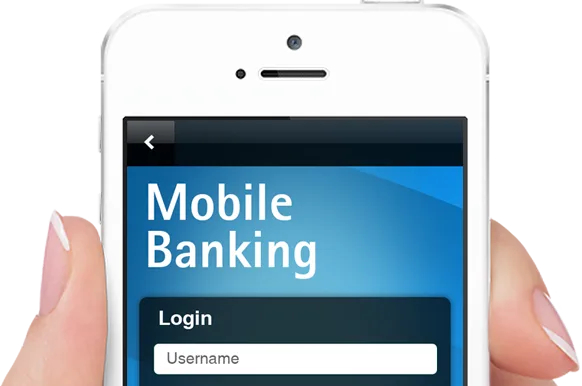
Mobile banking allows you to check balances, transfer funds, pay bills, and manage debit/credit card controls via your bank's official mobile application or authorized mobile service. Verify that the app publisher is your bank, and download the app only from official app stores (Google Play Store or Apple App Store).
Telephone banking allows you to access basic account services and balance inquiries by calling your bank's official customer care helpline or navigating its Interactive Voice Response (IVR) system. Even if a caller claims to represent the bank, never share your OTP, PIN, or complete card details over the phone. Always verify phone numbers on the bank's official website or the back of your debit card.
7. Cheque
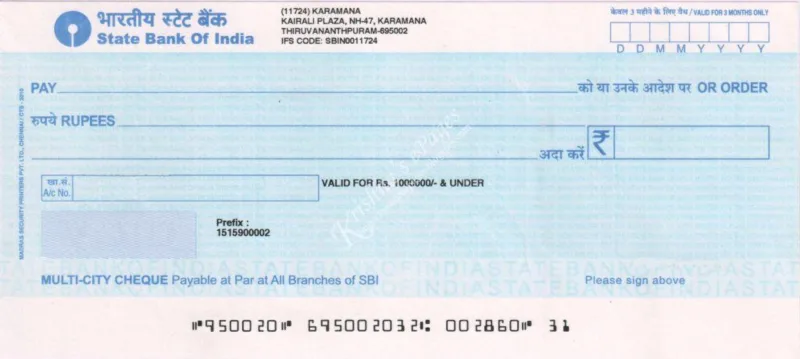
A cheque is a written order issued by an account holder instructing their bank to pay a specific amount of money to a designated beneficiary. A cheque is honored only if sufficient balance is available in the account and all details—including signature, date, and amount in words and figures—are correctly completed.
Write the beneficiary's name and amount clearly. Crossing the cheque with two parallel lines and writing "A/C Payee" ensures the funds are credited only to the named beneficiary's account, reducing the risk of fraud or misuse. Cheque validity (normally 3 months from the date of issue in India), clearing timelines, stop-payment instructions, and dishonor/bounce penalties are governed by statutory guidelines and bank policies.
8. Demand Draft (DD)
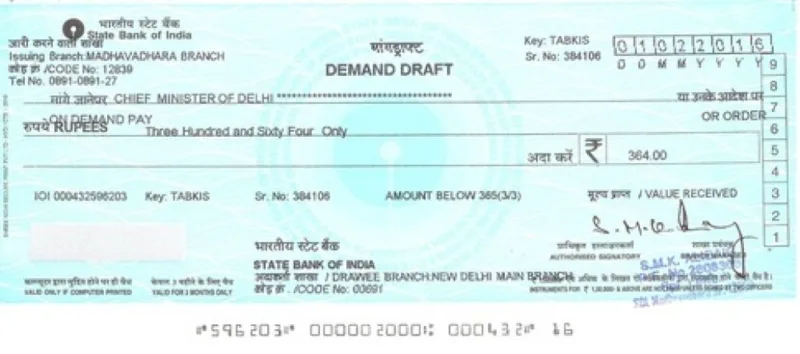
A Demand Draft (DD) is a prepaid financial instrument issued by a bank directing another branch of the same bank (or an agent bank) to pay a specified sum to the beneficiary. Because the funds are paid upfront to the issuing bank, a DD cannot bounce due to insufficient funds, which is why institutions such as universities and government recruitment bodies often require DDs for fees.
Verify the exact beneficiary name, amount, and payable location before submitting the application. Issuance charges, cancellation or revalidation procedures, validity periods (generally 3 months), and required receipts/counterfoils follow banking regulations. Keep in mind that a DD is solely a secure payment mechanism, not a guarantee of the underlying product or service quality.
Which Facility Fits Your Needs?
- Current accounts are best suited for business owners and merchants with high daily transaction volumes; savings accounts are ideal for individual savings, salary credits, and personal expenses.
- View an overdraft not as free reserve funds, but as a credit facility that accrues interest and must be repaid promptly.
- Debit cards, internet banking, and mobile banking are access channels; review their security settings, daily transfer limits, and annual charges separately.
- Cheques and demand drafts are physical payment instruments; always confirm the exact beneficiary name, amount, and clearing rules beforehand.
Interest rates, service charges, KYC norms, and operational conditions vary across banks, account categories, and tenures. Review the bank's latest Schedule of Charges and terms before opening an account. Deposits in eligible commercial and cooperative banks are insured by the Deposit Insurance and Credit Guarantee Corporation (DICGC) up to ₹5 lakh per depositor per bank (covering principal and interest combined); verify bank eligibility and rules on official portals.
This article is for general informational and educational purposes only and does not constitute banking, legal, or financial advice.